Hello everyone.
Today my speech is titled Tiny Microbes, Green Hydrogen — a short introduction to biohydrogen production.
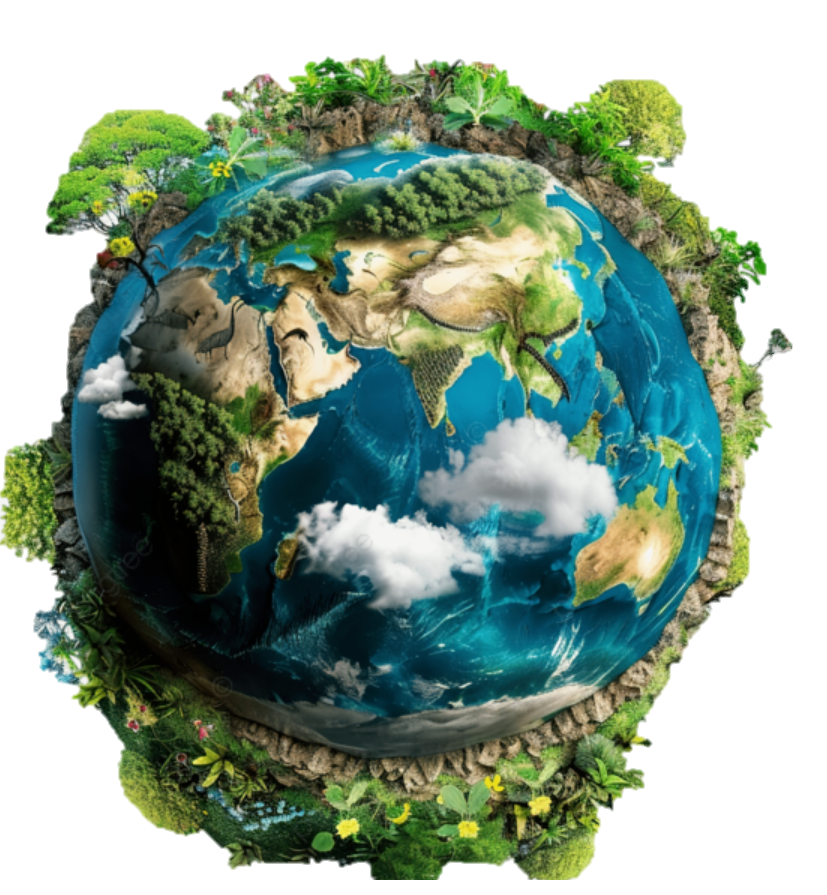
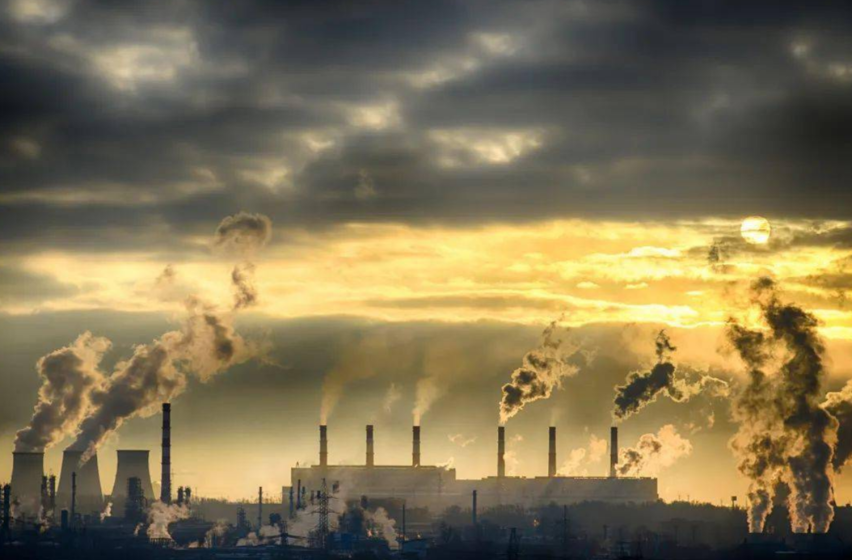
In today's world, large amounts of carbon dioxide emissions are warming the Earth.
This leads to more typhoons, more droughts, and more species disappearing.
So countries around the world are reducing carbon emissions and pursuing carbon neutrality.
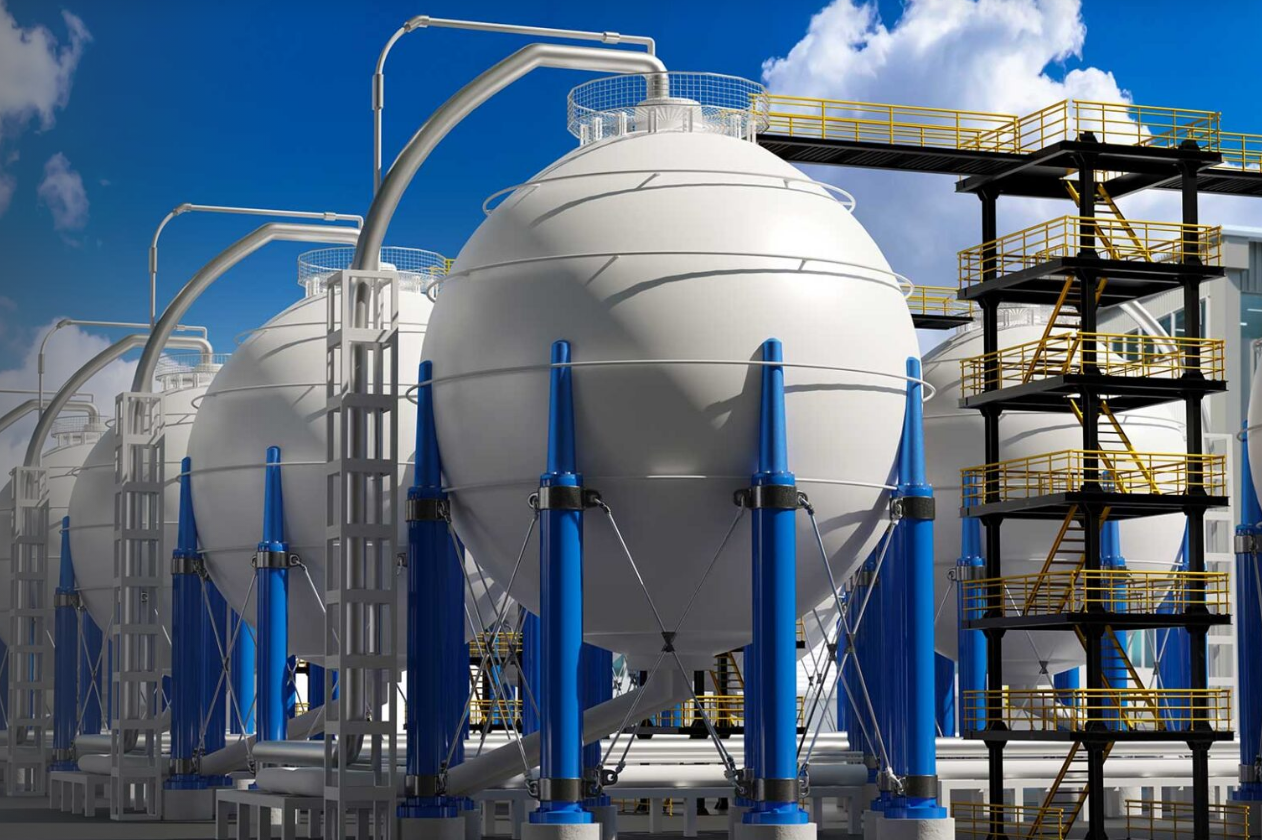
Hydrogen, as an energy source, offers a solution for carbon neutrality.
When hydrogen burns, it only produces water — it is carbon-free and clean.
But where does hydrogen come from?
We can produce hydrogen artificially.
We must understand that not all hydrogen is clean energy.
When we make hydrogen from coal, producing one ton of hydrogen releases about ten tons of carbon dioxide.
This process is not environmentally friendly at all, so this kind of hydrogen is called gray hydrogen.
Another way is to produce hydrogen by electrolyzing water.
Although it produces less carbon dioxide, it uses huge amounts of electricity, so it is still not fully green.
So is there a more natural and smarter way to produce hydrogen?
Yes — it is biohydrogen production.
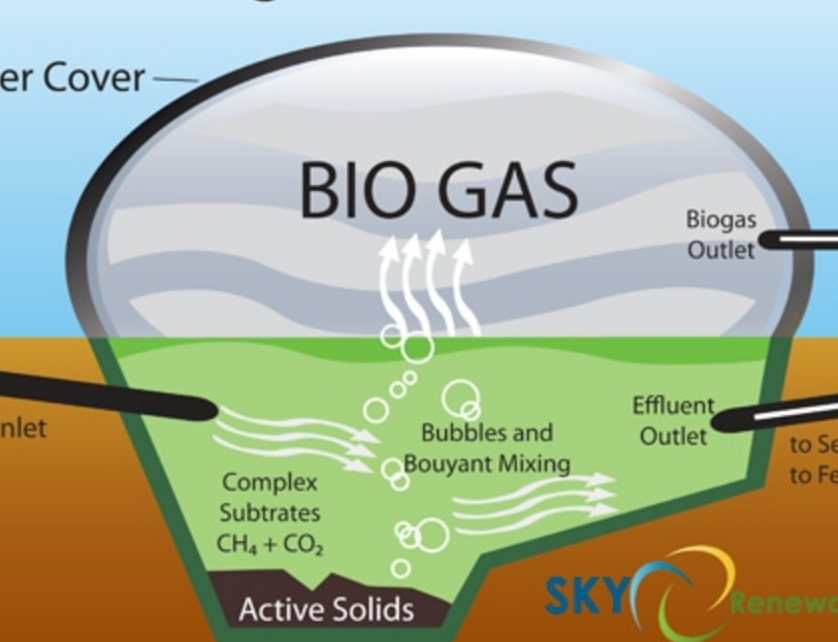
One method of biohydrogen production is using microbes to "eat" waste and produce hydrogen.
Today I will introduce this technology.
This technology means putting organic matter into an oxygen-free environment, letting anaerobic bacteria break it down and produce hydrogen.
It's like you burp after eating — except the "burp" from these bacteria is flammable hydrogen.
Of course, biohydrogen production is not widely used yet, because the technology is still not fully developed.
The good news is that in 2025, a Chinese research team improved the hydrogen production rate by nearly 7 times.
In the past, bacteria produced only 1 unit per day; now they can produce 7 units.
Moreover, the problem of low-temperature production has also been solved.
In the future, scientists will use CRISPR gene scissors to edit the bacteria's genes to further improve efficiency.
With the help of AI, scientists can simulate the results of these changes much faster — speeding up progress by 1,000 times.
One day, biohydrogen technology will continuously produce the cleanest hydrogen, helping the world achieve carbon neutrality.
Maybe by then, the hydrogen in your family car will come from your kitchen waste.
Isn't that cool?
Thank you all.